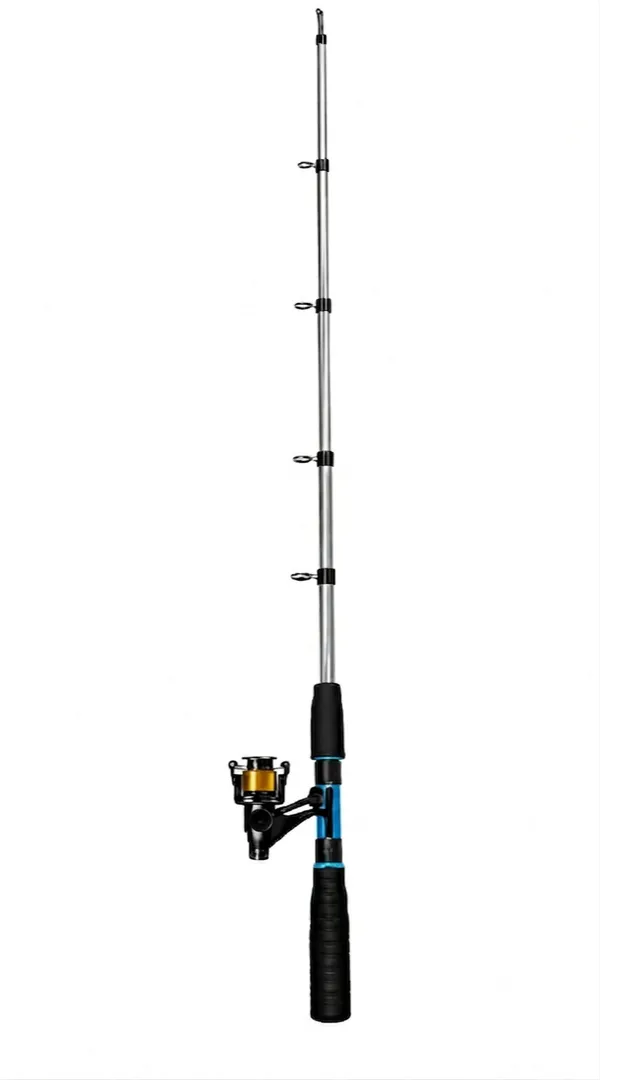
Fishing success depends on several factors, including the right location, bait selection, weather conditions, and equipment. Among all fishing gear, the fishing spinning rod plays a significant role in improving casting accuracy, comfort, and overall performance. Whether someone enjoys recreational fishing on weekends or supplies equipment for commercial fishing activities, understanding the benefits of spinning rods helps in making informed purchasing decisions.
Modern spinning rods are designed to handle a wide range of fishing situations. Their versatility makes them a preferred choice for beginners as well as experienced anglers who require dependable performance in rivers, lakes, coastal waters, and reservoirs.
What Is a Fishing Spinning Rod?
A fishing spinning rod is specifically designed to work with spinning reels. Unlike baitcasting rods, spinning rods feature guides positioned underneath the rod, allowing the fishing line to flow smoothly during casting and retrieval.
This design minimizes line tangles while making the rod easier to control. It is suitable for casting lightweight lures, live bait, and artificial bait across different fishing environments.
Why Spinning Rods Are Popular
The popularity of spinning rods comes from their ease of use and flexibility. They require less practice than many other rod types and offer excellent casting control.
Some of the major advantages include:
- Smooth casting action
- Better control with lightweight lures
- Reduced line twisting
- Comfortable handling during long fishing sessions
- Suitable for freshwater and saltwater fishing
- Ideal for anglers of different skill levels
These advantages make spinning rods one of the most widely used fishing tools across recreational and commercial fishing markets.
Choosing the Right Rod Length
Different fishing conditions require different rod lengths. Selecting the appropriate size helps improve casting distance and accuracy.
Common options include:
Short Rods
Short rods are suitable for fishing in areas with heavy vegetation, narrow streams, or confined spaces where precise casting is important.
Medium-Length Rods
These rods provide an excellent balance between casting distance and control. They are commonly used for general-purpose fishing.
Long Rods
Long spinning rods offer greater casting distance and better line control, making them useful for shore fishing, surf fishing, and larger water bodies.
The choice depends on fishing style, target species, and environmental conditions.
Understanding Rod Power
Rod power refers to the amount of force needed to bend the rod.
Typical power ratings include:
- Ultra Light
- Light
- Medium
- Medium Heavy
- Heavy
Lighter rods work well for smaller fish and finesse fishing, while heavier rods are better suited for larger species that require stronger hook-setting power.
Rod Action Matters
Rod action describes where the rod bends under pressure.
Fast-action rods provide quick sensitivity and stronger hook sets.
Moderate-action rods offer balanced flexibility, making them suitable for a wide variety of fishing situations.
Slow-action rods bend throughout their length, making them ideal for certain lure presentations and smaller fish species.
Matching rod action with fishing techniques helps improve overall efficiency.
Materials Used in Modern Fishing Spinning Rods
Manufacturers commonly use advanced materials to improve durability and performance.
Popular materials include:
Graphite
Graphite rods are lightweight and highly sensitive, allowing anglers to detect subtle fish movements.
Fiberglass
Fiberglass rods offer excellent durability and flexibility, making them suitable for beginners and heavy-duty fishing.
Composite Construction
Composite rods combine graphite and fiberglass to balance strength, flexibility, and sensitivity.
Choosing the right material depends on fishing frequency, target fish, and personal preference.
Maintenance Tips for Longer Life
Proper maintenance keeps a spinning rod performing well for years.
Good practices include:
- Rinse the rod with fresh water after saltwater use.
- Dry completely before storage.
- Inspect guides for cracks or damage.
- Store rods vertically or in protective tubes.
- Clean reel seats and handles regularly.
- Avoid excessive bending during transport.
Simple maintenance reduces wear and extends equipment life.
Why Quality Manufacturing Makes a Difference
A well-manufactured spinning rod delivers consistent performance under different fishing conditions. Factors such as guide alignment, blank construction, handle comfort, and material quality directly influence casting accuracy and durability.
Businesses supplying fishing equipment often prefer manufacturers capable of maintaining consistent production standards across bulk orders. Reliable quality helps distributors and retailers build customer confidence while reducing product returns.
Companies such as Barkaat Packaging, known for manufacturing fishing accessories alongside industrial packaging materials, focus on producing products that meet commercial supply requirements. Buyers across Mumbai and other parts of Maharashtra often evaluate manufacturing consistency, material quality, and product reliability before placing repeat orders.
Final Thoughts
Fishing spinning rods continue to be one of the most practical and versatile choices for anglers of all experience levels. Their combination of casting accuracy, ease of handling, and adaptability makes them suitable for various fishing environments.
Whether selecting equipment for personal use, retail distribution, or commercial supply, understanding rod length, action, power, and construction materials helps buyers invest in products that deliver dependable performance over the long term.
Keywords